Home / Countries / Napoleon Paintings on Stamps
Napoleon Paintings on Stamps
From the original Art on Stamps archive
Napoleon I (1769-1821), emperor of the French, who consolidated and institutionalized many reforms of the French Revolution. One of the greatest military commanders of all time, he conquered the larger part of Europe and did much to modernize the nations he ruled. Napoleon was born on August 15, 1769, in Ajaccio, Corsica, and died in exil on the island of St Helena on May 5, 1821. Tip: Point on the stamps with the mouse index for more information about the works of art displayed and about the stamps.
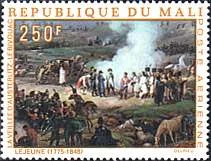
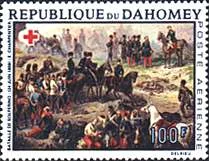
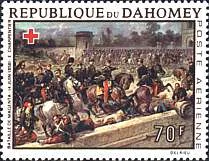
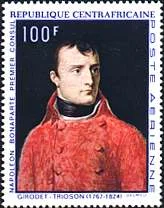
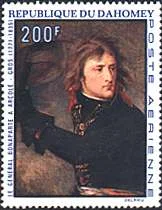
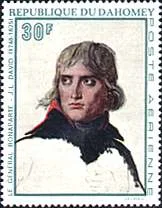
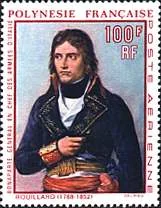
Napoleon was a driven man, never secure, never satisfied. “Power is my mistress”, he said. His life was work-centred; even his social activities had a purpose. He could bear amusements or holidays only briefly. His tastes were for coarse food, bad wine, cheap snuff. He could be charming—hypnotically so—for a purpose. He had intense loyalties—to his family and old associates. Nothing and no one, however, were allowed to interfere with his work.
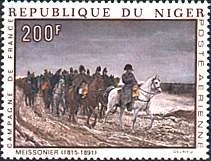
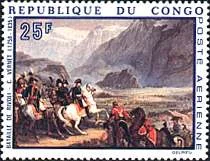
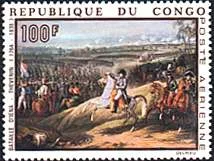
Napoleon was sometimes a tyrant and always an authoritarian, but one who believed in ruling by mandate of the people, expressed in plebiscites. He was also a great enlightened monarch—a civil executive of enormous capacity who changed French institutions and tried to reform the institutions of Europe and give the Continent a common law.
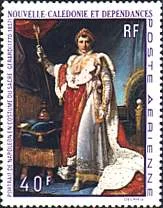
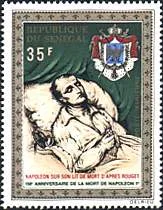
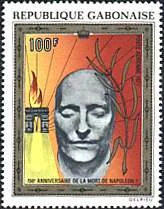
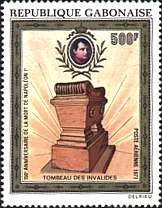
Few deny that he was a military genius. At St Helena, he said, “Waterloo will erase the memory of all my victories”. He was wrong; for better or worse, he is best rememb ered as a general, not for his enlightened government, but the latter must be counted if he is justly to be called Napoleon the Great. (After Microsoft Encarta 1996)
The stamps on this page were issued between 1968 and 1971 to commemorate the bicentenary of the birth or the 150th anniversary of the death of Napoleon I, Emperor of the French.